
"coffee and minerals"
6000 article(s) found

Bright taste of Panamanian Ireta Manor Coffee Flavor characteristics Fine Coffee introduction
Panamanian land use: arable land accounts for 8.9%, permanent pastures account for 20.0%, forests and woodland account for 43.0%, others account for 28.1%; per capita arable land accounts for 0.6 acres. [2] Mineral resources Panama is rich in mineral resources, but it is not exploited much, and the scale of the mine is relatively large.

Characteristics and attributes of coffee in eight producing areas of Guatemala
The Ekatlago Valley is 2000 meters (6500 feet) above sea level, with dense shade and unique ecology. The nearby Fuego volcano erupts, making its coarse, sandy soil rich in a variety of minerals. Temperate sea breezes from the Pacific and a seasonal climate allow coffee in this region to be dried by sunlight and processed according to traditional family methods that have been accumulated over the years. [characteristics]

Characteristics of Coffee from Eight Major Producing Areas in Guatemala
Elevated to 2000 meters (6500 feet), it is densely shaded and ecologically unique, with the nearby Fuego volcano erupting intermittently, making its coarse, sandy soil rich in minerals. Temperate sea breezes from the Pacific Ocean and seasonal climates allow this region's coffee to be sun-dried and processed by home-style traditional methods accumulated over the years. [Features] Acidity is obvious, dry
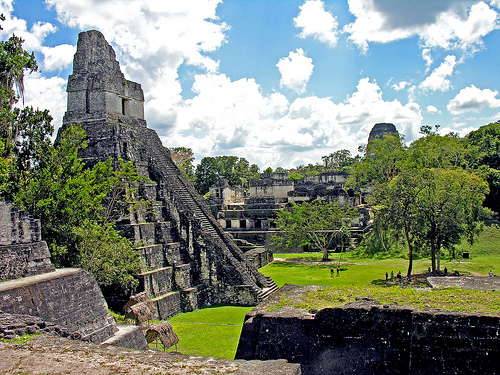
Characteristics and attributes of coffee in eight producing areas of Guatemala
The Ekatra Valley rises to 2000 meters (6500 feet), with dense shade and unique ecology, and the nearby Fuego volcano erupts, making its coarse, sandy soil rich in a variety of minerals. Temperate sea breezes from the Pacific and a seasonal climate allow coffee in this region to be dried by sunlight and processed according to traditional family methods that have been accumulated over the years. [characteristics]

Characteristics and attributes of coffee in eight producing areas of Guatemala
The Ekatlago Valley is 2000 meters (6500 feet) above sea level, with dense shade and unique ecology. The nearby Fuego volcano erupts, making its coarse, sandy soil rich in a variety of minerals. Temperate sea breezes from the Pacific and a seasonal climate allow coffee in this region to be dried by sunlight and processed according to traditional family methods that have been accumulated over the years. [characteristics]

Flavor description of coffee beans in eight producing areas of Guatemala
The Ekatlago Valley is 2000 meters (6500 feet) above sea level, with dense shade and unique ecology. The nearby Fuego volcano erupts, making its coarse, sandy soil rich in a variety of minerals. Temperate sea breezes from the Pacific and a seasonal climate allow coffee in this region to be dried by sunlight and processed according to traditional family methods that have been accumulated over the years. [characteristics]

What are the producing areas of Guatemalan coffee beans in volcanic geology
Rising to 2000 meters (6500 feet), with dense shade and unique ecology, the nearby Fuego volcano erupts, making its coarse, sandy soil rich in a variety of minerals. Temperate sea breezes from the Pacific and a seasonal climate allow coffee in this region to be dried by sunlight and processed according to traditional family methods that have been accumulated over the years. [characteristics] obvious acidity, dry

Introduction of eight different producing areas of coffee beans in Guatemala
The Ekatlago Valley is 2000 meters (6500 feet) above sea level, with dense shade and unique ecology. The nearby Fuego volcano erupts, making its coarse, sandy soil rich in a variety of minerals. Temperate sea breezes from the Pacific and a seasonal climate allow coffee in this region to be dried by sunlight and processed according to traditional family methods that have been accumulated over the years. [special]

A brief introduction to the flavor and aroma characteristics of Cuban crystal mountain boutique coffee beans with coarse mineral fruit flavor.
In 1748, coffee was introduced into Cuba from Domiga, and Cuba began to grow coffee ever since. With fertile land, humid climate and abundant Rain Water, Cuba can be called a natural treasure land for coffee cultivation. The suitable natural conditions provide a favorable natural environment for the growth of coffee trees, and coffee is well planted and developed here. In Cuba, the cultivation of coffee is regulated by the state. Cuba is the best

What is transparent colorless coffee like? What are the transparent and colorless brand giants
Professional coffee knowledge exchange more coffee bean information please follow coffee workshop (Wechat official account cafe_style) professional coffee knowledge exchange more coffee bean information please follow coffee workshop (Wechat official account cafe_style) do you also need a cup of coffee every day? In the face of the busy and tense city life, we all have a special cup of coffee and sip it.
Boutique Coffee learn the Flavor Source of Ice Coffee and Hot Coffee
If you want to play with different temperatures of coffee and want to stimulate the coffee effect more vigorously, using hot water will of course cause miscellaneous odors to precipitate; if the coffee beans themselves are not good, then consider using ice to shrink so that the impurities will not smell. High temperature surging, low temperature convergence can make Vietnamese iced coffee HARIO 01 ceramic trickle filtration suit usually when we talk about the suitable temperature of coffee, most of them should
Characteristics and attributes of coffee from eight major producing areas of Guatemala
The Ekatlago Valley is 2000 meters (6500 feet) above sea level, with dense shade and unique ecology. The nearby Fuego volcano erupts, making its coarse, sandy soil rich in a variety of minerals. Temperate sea breezes from the Pacific and a seasonal climate allow coffee in this region to be dried by sunlight and processed according to traditional family methods that have been accumulated over the years. [characteristics]

Great taste Tanzanian coffee flavor Taste Manor Features Kilimanjaro Coffee
Tanzania is rich in mineral resources. As of 2014, the main proven minerals include gold, diamond, iron, nickel, phosphate, coal and various gemstones, ranking fifth in Africa in total. Tanzania's natural gas reserves are also very large. According to Tanzania's official data, Tanzania has proven natural gas reserves of 44 trillion cubic feet, and the total reserves are expected to be at least

What are the ingredients of milk? analysis of elements in milk
Professional coffee knowledge exchange more information about coffee beans Please pay attention to the composition of milk in the coffee workshop (Wechat official account cafe_style). If served with a biscuit or a cup of espresso, the milk is absolutely delicious. But what makes milk so attractive? Think of it this way: milk is essentially a nutritional supplement to calves. It is rich in all the necessary nutrients.

The coffee producing area of Renas Manor in El Salvador introduces the elevation of Renas Manor coffee beans.
Professional barista exchanges please follow the coffee workshop (Wechat official account cafe_style) Renas Manor coffee production area of El Salvador Renas Manor Coffee beans altitude how much active volcanic activity brings the country rich in mineral volcanic ash, mainly volcanic ash in the soil, more minerals, less organic matter, therefore, in order to maintain the location and make up for the lack of organic matter
Common sense of Coffee characteristics of Coffee in eight producing areas of Guatemala
The Ekatra Valley rises to 2000 meters (6500 feet), with dense shade and unique ecology, and the nearby Fuego volcano erupts, making its coarse, sandy soil rich in a variety of minerals. Temperate sea breezes from the Pacific and a seasonal climate allow coffee in this region to be dried by sunlight and processed according to traditional family methods that have been accumulated over the years. [characteristics]
Characteristics and attributes of coffee from eight major producing areas in Guatemala Guatemala
The Ekatlago Valley is 2000 meters (6500 feet) above sea level, with dense shade and unique ecology. The nearby Fuego volcano erupts, making its coarse, sandy soil rich in a variety of minerals. Temperate sea breezes from the Pacific and a seasonal climate allow coffee in this region to be dried by sunlight and processed according to traditional family methods that have been accumulated over the years. [characteristics]

Advantage of volcanic soil Coffee beans in Kenyanieri Coffee Manor Coffee flavor taste
The advantage of growing coffee beans in volcanic soil where does the volcano's magma come from? Underground. What's a lot of things underground? All kinds of minerals. So when a volcano erupts, all kinds of minerals come out to breathe in two forms: ash that can float far away and magma that can't flow too far. Can help plants grow and is rich in potassium and sodium.

Coffee bean flavor characteristic attributes of coffee in eight major producing areas of Guatemala
The Ekatra Valley rises to 2000 meters (6500 feet), with dense shade and unique ecology, and the nearby Fuego volcano erupts, making its coarse, sandy soil rich in a variety of minerals. Temperate sea breezes from the Pacific and a seasonal climate allow coffee in this region to be dried by sunlight and processed according to traditional family methods that have been accumulated over the years. [characteristics]
Common important regions of Guatemala Detailed description Learn about the fine regions of Guatemala
The Akatango Valley rises to 2000 meters (6500 feet) above sea level, is densely shaded and ecologically unique, and the nearby Fuego volcano is a fault eruption, making its coarse, sandy soil rich in various minerals. Temperate sea breezes from the Pacific Ocean and seasonal climates allow this region's coffee to be sun-dried and processed by home-style traditional methods accumulated over the years. [Features]